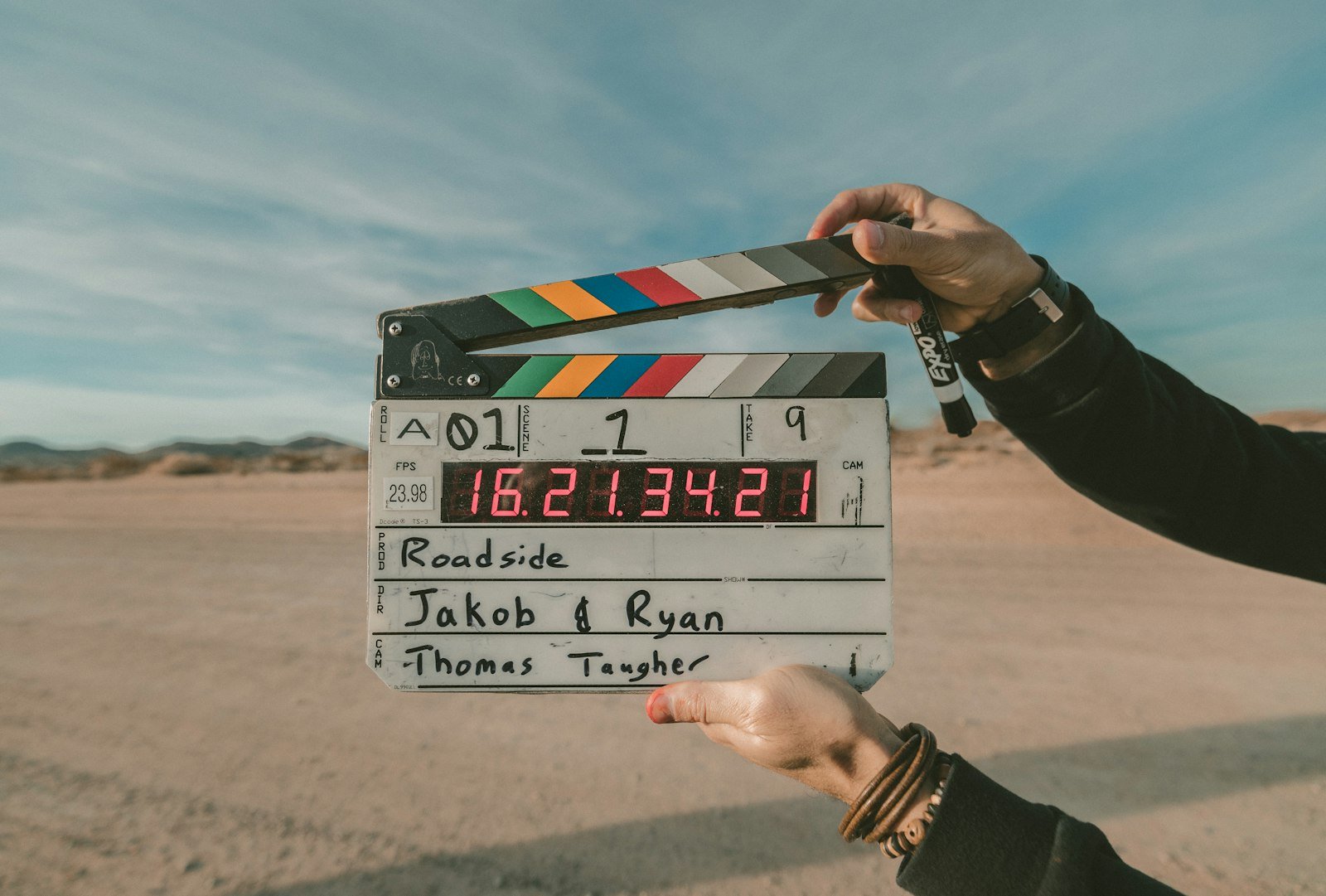
Making a documentary in a remote valley is mostly logistics. Before a single frame was shot, we spent time talking with village leaders, explaining what we wanted to film and why, and making sure families were comfortable being on camera.
Power, weather and backup
Electricity was unreliable, so charging became a daily ritual whenever a homestay had power. Every evening the footage was copied to two separate drives. Weather decided the shooting schedule, not the other way around.


Building the story in the edit
We came home with many hours of footage for a film that runs under twenty minutes. The edit took longer than the shoot. The rule I followed: if a scene didn’t help you understand the people of the valley better, it didn’t make the cut, no matter how beautiful it looked.